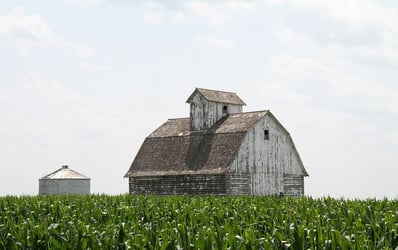

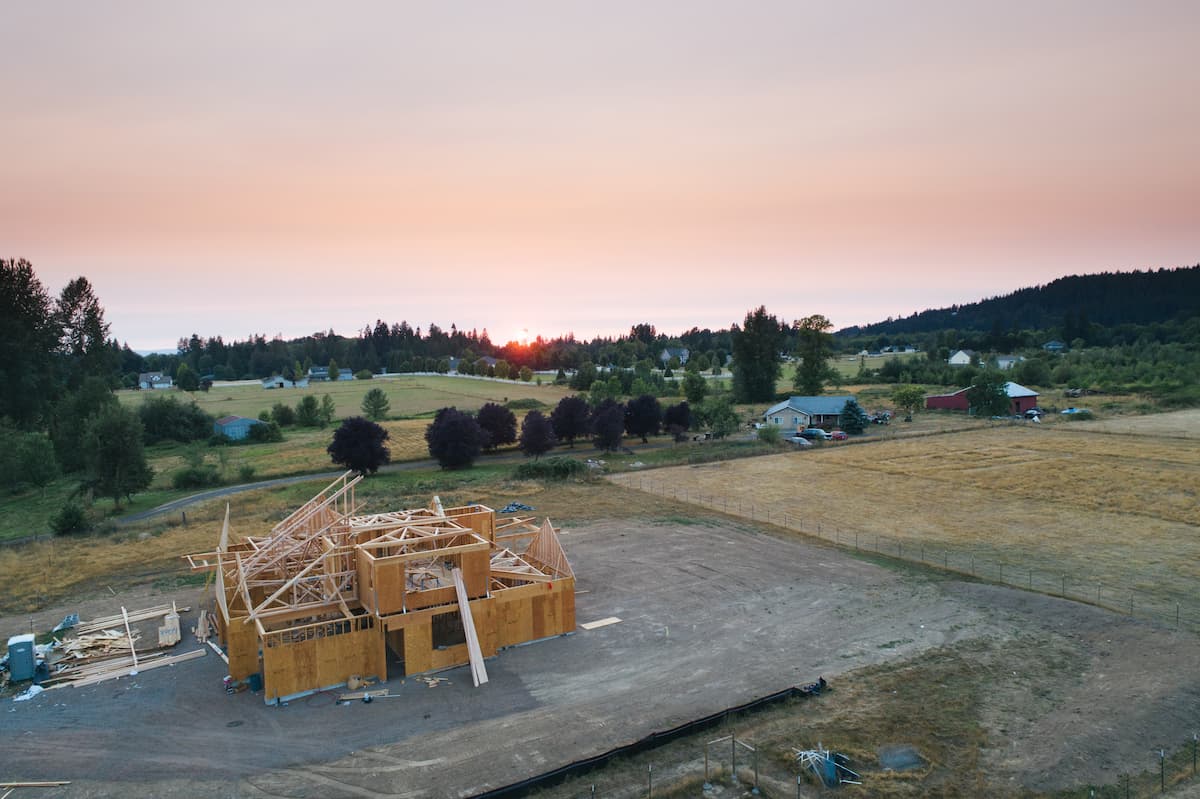
The house you want to build starts with the ground under it, and the ground is financed differently than the house. Land loans in Minnesota generally ask for more down and run shorter than a home mortgage, and the questions that decide whether a lot is a good buy are about building rights, septic soils, wells, shoreland and wetlands as much as price. Whether it is a lot in a new subdivision in Chaska or five acres of township land outside Cambridge, here is how a lot loan works, how it fits with the construction loan that follows, and what to check before you sign a purchase agreement.
How a land loan differs from a home mortgage
A mortgage is secured by a finished house that is straightforward to value and to sell. A lot is neither. It produces no income, comparable sales can be thin, especially for rural acreage, and its value depends on whether a house can actually be built on it. Lenders structure land loans with that in mind. In general, that means a larger down payment than on a home purchase, a shorter term, and a lender who wants to know what you plan to do with the land and when.
Land is not all the same to a lender. An improved lot, one in a city or a platted subdivision with sewer, water, power and a street already in, is the closest thing to a house in lending terms. Raw land with no utilities, no road and no soil work done carries more unknowns, and the structure reflects that. Rural acreage falls in between, depending on what has been tested and permitted.
At our bank, a loan on vacant land is typically written for three years with a balloon at the end, on a payment figured as if the loan ran as long as 15 years. That keeps the payment manageable while the plans come together. By the end of the term, the loan is paid off, rolled into a construction loan, or refinanced, subject to credit approval at that time. We also lend a smaller share of the land's value than we would on a finished house, so plan on a larger down payment. Beyond lots, we finance vacant land, cabins and second homes. Terms vary by property and borrower, and every loan is subject to credit approval.
Lot loan or construction loan: which comes first
There are three common ways to sequence a land purchase and a build. The right one depends on how ready your plans are.
The first is to buy the lot now and build later. A lot loan lets you secure the land while the plans, the builder and the budget come together. When you are ready to build, the construction loan generally pays off the lot loan, and at our bank the equity you have built in the lot counts toward the construction down payment. Your lender will tell you how that works on your project.
The second is to buy the lot and build right away. At our bank, the lot and the build can close as one loan, so there is one closing instead of two. Whether that works comes down to timing: the plans, the builder's bid and the budget need to be ready when the lot closes, and that takes an organized borrower and an organized builder. Sometimes the two do not line up, and then a lot loan now and a construction loan later does the same job with two closings. Our construction and lot loans cover lot acquisition, new homes including jumbo construction, teardowns and remodels.
The third is to build on land you already own. A lot you own free and clear, whether you bought it years ago or it came to you from family, counts as equity toward the construction loan's down payment.
The construction loan itself is short term by design. At our bank it runs as a draw period of six to twelve months while the house goes up, with interest only on the money drawn so far. The loan is sized off the lower of two numbers, the appraised value of the finished home and the builder's cost, so a bid that runs over the appraisal leaves a gap you cover yourself. Expect a lender inspection during the build and a final inspection by the appraiser.
Two posts pick up from here. Our guide to how construction loans work covers the draw schedule and the move to a permanent mortgage. If finishing the new house depends on selling the one you live in, our post on bridge loans and home equity loans explains how to cover the gap.
Buying land to build a house: what to check first
A lot is worth what you can build on it. Most of the surprises on a land purchase in Minnesota come from a handful of places, and each one has a local office that can give you an answer before you commit. If I were buying land to build on, I would get those answers in writing before closing, and I would ask my real estate agent or attorney about making the purchase agreement contingent on them.
| Check | What to find out | Who answers it |
|---|---|---|
| Septic | Whether the soils support a septic system, and where it can go | An MPCA licensed designer evaluates the site; the county, city or township issues the permit |
| Well | Whether a well can sit the required distance from the septic system | A licensed well contractor, under Minnesota Department of Health rules |
| Shoreland | Whether a lot near a lake or river meets minimum size and width | The county or city zoning office |
| Wetlands | Whether any of the building site is wetland | The local government unit that administers the Wetland Conservation Act |
| Building rights | Whether a rural parcel carries the right to build a home, or that right was already used or transferred | The county or township zoning office |
| Zoning and access | Whether the parcel is buildable, and whether a driveway permit and power are available | Township or city zoning, the road authority, the electric utility |
Building rights on rural land
In our rural markets, this one belongs on the list. In parts of rural Minnesota, the right to put a house on a parcel is counted and tracked, and it does not automatically come with the ground. In McLeod County's agricultural district, the zoning ordinance allows one home per quarter-quarter section, about 40 acres, and gives each quarter-quarter one development right. If a house already stands on that 40, the right has been used. A right can also be held, terminated, or transferred to an adjoining parcel and recorded against the land, so a seller may have moved it long before you came along. Carver County works on the same idea, which it calls 1 per 40 building eligibilities, and its policy map shows where they can be transferred.
A pretty five acre split with no building right is pasture, not a homesite. Before you sign, ask the county or township zoning office, in writing, whether the parcel carries a building right, and have your real estate agent or attorney make sure the purchase agreement reflects it.
Septic systems and wells
A lot on city sewer and water skips most of this. Anywhere else, the house needs a septic system and a well, and both are regulated. In Minnesota, counties, cities and townships review septic designs and issue the construction permits for most home systems, and the design comes from an MPCA licensed designer who evaluates the soils on the site. The Minnesota Department of Health requires a new well to sit at least 50 feet from a septic tank and from the drainfield. On a small or oddly shaped lot, fitting the house, the drainfield and the well with the right distances between them is where a deal can come apart, so it is worth knowing before you buy.
Shoreland lot sizes
A lot near a lake or river falls under Minnesota's shoreland rules, which set minimum lot sizes for building. For a single home without city sewer, the state minimums are:
| Lake classification (unsewered single lot) | Minimum area | Minimum width |
|---|---|---|
| Natural environment lake | 80,000 sq ft (about 1.8 acres) | 200 ft |
| Recreational development lake | 40,000 sq ft (about 0.9 acres) | 150 ft |
| General development lake, on the water | 20,000 sq ft (about 0.5 acres) | 100 ft |
State minimums from Minnesota Rules, part 6120.3300. Counties and cities apply them through their own shoreland ordinances, so the zoning office has the final word on a specific lot.
Wetlands
A low corner of a parcel can be a regulated wetland. Under the Wetland Conservation Act, a wetland generally cannot be drained or filled without an approved replacement plan or an exemption, and the act is administered locally, by the county, city or soil and water conservation district. If the building site touches a wet area, ask before you buy, not after the excavator arrives.
Zoning and road access
Rural zoning can limit whether a parcel is buildable at all, and a parcel without legal road access or a driveway permit is a different purchase. A call to the township or city zoning office, and a current survey, settle most of these questions.
Looking at a lot? Bring the listing or the parcel number, and a lender will talk through how the purchase and the build could be structured. A first conversation puts you under no obligation. Talk with a lender about a lot
What a lender looks at on a lot loan
Every land loan comes down to the same three questions, and knowing them ahead of time makes the first conversation shorter.
The first is your plans and your timeline. A lot you plan to build on next spring is a different loan from land you are buying for someday. The closer you are to building, the more the lot loan is really the first step of a construction loan, and the more the two should be planned together.
The second is the land itself. The appraiser values the lot against recent land sales nearby, which can be few and far between for acreage. The checks above matter to the lender for the same reason they matter to you: a lot that cannot support a septic system or a well is worth less than its price suggests.
Then there are your finances and the down payment, which any home loan looks at: income, the debts you already carry, and how much you are putting in. Equity in land you already own can do some of the work a cash down payment would.
If you are comparing lenders before you buy land, these are fair questions to ask any bank, including us:
- Will the lender look at the lot with you before you sign the purchase agreement?
- Can the lot loan roll into the construction loan, and how does the equity in the lot count toward the down payment?
- Does the lender know the counties and townships where you are buying, and what they require?
- Can you reach your lender directly, by phone, through the purchase, the build and the move in?
Those are the questions I would want asked of us.
Lot loans in our communities
Our lenders finance lots, new homes and remodels across the communities we serve: Glencoe, Winsted, Brownton and Plato in McLeod County; Waconia, Chaska, Cologne, Hamburg, Mayer and New Germany in Carver County; Minnetonka, Eden Prairie and Wayzata in Hennepin County; Cambridge and Isanti in Isanti County; Ramsey and North Oaks in Anoka and Ramsey counties; and New Auburn in Sibley County. You can stop in at any of our 21 offices and ask for a lender, or call or email one of these NMLS registered lenders directly:
 Mary StoltenburgVP, Real Estate Loan OfficerNMLS #689964Glencoe officeCall 320-864-2015Email Mary
 Amy GatzAVP, Real Estate Loan OfficerNMLS #637876Winsted officeCall 320-485-5481Email Amy
 Pam KurtzVP, Loan OfficerNMLS #2452486Waconia officeCall 612-836-9954Email Pam
 Scott ZachariasVP, Loan OfficerNMLS #649546Chaska officeCall 952-448-8544Email Scott
 Judy MeyerVP, Branch Manager, HamburgNMLS #649586Hamburg officeCall 952-777-3650Email Judy
-1.jpg?width=118&height=118&name=Joe%20Schornack%20(1)-1.jpg) Joe SchornackVP, Business BankingNMLS #1655565Isanti officeCall 763-444-7733Email Joe
Joe SchornackVP, Business BankingNMLS #1655565Isanti officeCall 763-444-7733Email Joe Scott NormanVP, Business Banking, Loan OfficerNMLS #1229124North Oaks officeCall 763-444-7715Email Scott
 Sean PayerVP, Business Banking, Loan OfficerNMLS #422572Cambridge officeCall 763-691-8026Email Sean
Questions people ask us about land loans
What is a building right on rural land in Minnesota?
In some rural Minnesota counties, zoning limits how many homes can be built per quarter-quarter section, about 40 acres. In McLeod County's agricultural district, for example, each quarter-quarter has one development right, which is used once a house stands on it and can be held, terminated or transferred to an adjoining parcel. Carver County calls them 1 per 40 building eligibilities. Before buying rural land to build on, confirm with the county or township zoning office that the parcel carries a building right.
How long is a land loan in Minnesota?
Land loans generally run shorter than a home mortgage. At our bank, a vacant land loan is typically written for three years with a balloon at the end, on a payment figured over as long as 15 years. By the end of the term the loan is paid off, rolled into a construction loan, or refinanced. Terms vary by property and borrower, and every loan is subject to credit approval.
What is the difference between a land loan and a construction loan?
A land loan finances the purchase of the lot. A construction loan finances building the house, paying the builder in draws as the work is completed, and then generally converts to or is replaced by a permanent mortgage. When you buy the lot first, the construction loan commonly pays off the lot loan when building starts.
Can the equity in my lot count toward my construction loan down payment?
Yes. At our bank, whether you own the lot free and clear or still owe on a lot loan, the equity in the land counts toward the down payment on the construction loan. How much it counts for depends on the appraisal and the overall project, and every loan is subject to credit approval, so bring the lot into the first conversation.
Do I need a soil test before buying land to build on in Minnesota?
If the lot will not be on city sewer, in practice yes. A house without city sewer needs a septic system, and a new system in Minnesota is designed by an MPCA licensed designer after evaluating the soils on the site, then permitted by the county, city or township. Finding out before you buy tells you whether the lot can support a house and where the system and the well can go.
How big does a lake lot need to be to build on in Minnesota?
Under state shoreland rules, an unsewered single residential lot needs at least 80,000 square feet and 200 feet of width on a natural environment lake, 40,000 square feet and 150 feet on a recreational development lake, and 20,000 square feet and 100 feet for a lot on the water of a general development lake. Counties and cities apply these through their own shoreland ordinances, so ask the local zoning office which standard applies to the lot you are considering.
The next step
If you have found the land, or you are close, the best time to talk with a lender is before the purchase agreement is signed. Bring the listing or the parcel number, a rough idea of the house and the timeline, and we will talk through how the lot and the build could be structured and what to check on the land first. If you are still a year out, the conversation is just as useful, because knowing your numbers makes the right lot easier to recognize when it comes up.
Found the right piece of land? Bring the parcel. We will bring the structure, from the lot to the move in. Talk with a lender about a lot
- Keep reading
- Home construction and lot loans for the lot, the build, teardowns and remodels.
- How construction loans work for draws, timelines and the permanent mortgage.
- Home mortgages for buying or refinancing the house you live in.
- Financing a farmland purchase if the land you are buying is ground you plan to farm.
Want the next post in your inbox? Subscribe to The Helm.
Growing, together.
Shoreland lot minimums are from Minnesota Rules, part 6120.3300; well isolation distances are from the Minnesota Department of Health; septic permitting is as described by the Minnesota Pollution Control Agency; wetland rules are from the Board of Water and Soil Resources guide to wetland regulation in Minnesota. All were read in October 2026, and local ordinances apply them. This post is general information, not legal or engineering advice; confirm the requirements for a specific parcel with the local zoning office and licensed professionals. Loan terms, down payments and rates vary by property and borrower and are not offered or quoted here. Every loan is subject to credit approval. Security Bank & Trust Co. NMLS #415819. Page last reviewed October 2026.
Topics: