


background image

Fraud Prevention

Your trusted guide to safer banking.

Signs of a scam.

Pretending

Scammers PRETEND to be from an organization you know, like the government, your bank, your utility company, or other important trusted agencies.

They complete their impersonation by using technology to change the phone number you see on the caller ID. So the name and number you see might not be real.

Problems or Prizes

Scammers say there’s a PROBLEM or a PRIZE. They might say things like you’re in trouble, you owe money, there’s a virus on your computer, there’s a problem with your account, or someone in your family had an emergency.

Whether they state a problem, or a prize like the lottery, they will try and get your personal information and date of birth.

Pressure

Scammers PRESSURE you to act immediately. Scammers want you to act before you have time to think.

If you’re on the phone, they might tell you not to hang up so you can’t check out their story. They might threaten to arrest you, sue you, take away your driver’s or business license, or deport you. There will be a sense of unnecessary urgency.

Payment

Scammers will tell you to PAY in a specific way. They often are not flexible and will insist you pay by an uncommon payment method.

Examples include cryptocurrency, wiring money via MoneyGram or Western Union, using a payment app, or putting money on a gift card and then giving them the numbers on the back of the card. Some will even send fake checks.

Security Reminders

Never give out your password or online banking information over the phone or online.

Do not provide any information over the phone to an unsolicited phone call, even if it appears to be from a trusted source.

Do not open unsolicited attachments through emails or text messages.

Keep your electronics up to date with the latest browsers and operating systems to help protect against hackers.

Enable multi-factor authentication, such as facial recognition, answering security questions, or receiving text messages.

Always verify the source. When in doubt, hang up the phone and call us directly with questions or concerns.

We Will Never...

1

Ask you for you full password or PIN

2

Ask you to move money to a “safe” or “secure account”

3

Request payment using gift cards, cryptocurrency, or payment apps

4

Pressure you to act immediately without giving you time to verify

Trending Scams

What is a bank impersonation scam?
Occasionally, customers of Security Bank are targeted by scammers who pretend to be employees to trick others into handing over their hard-earned money. In these scenarios, the fraudster makes a convincing argument that they work for the bank (to be clear: they do not work here) and pressure a customer to withdraw or transfer funds from their account to an account the fraudster has control over. Their only goal is to get their hands on your money.

How does it work?
Fraudsters may spoof our number, call, or text pretending to be our fraud team, often creating urgency or asking you to complete a transaction. Don’t engage. Hang up and ignore the message. Instead, call us directly at 320-864-3171 or use the number on the back of your debit card to confirm.

What is a Zelle Scam?
Zelle scams occur when fraudsters convince people to send money through Zelle, a digital payment service that transfers funds quickly between bank accounts. Because Zelle is intended for sending money to people you know and trust, scammers often pose as banks, utility companies, online sellers, or even family members to create a sense of urgency. Once the money is sent, it is often difficult or impossible to recover.

How does it work?
Scammers may call, text, or email claiming there's a problem with your bank account or that suspicious activity has been detected. They instruct you to send yourself money through Zelle, claiming it will "protect" your funds, or they may ask you to pay for a product, service, or emergency. In reality, the payment goes directly to the scammer. Remember: your bank will never ask you to send money to yourself or anyone else through Zelle to prevent fraud. Call 320-864-3171 or use the number on the back of your debit card to confirm.

What is a Romance Scam?
Romance scams happen when criminals create fake online identities to build emotional relationships with victims. They often use dating apps, social media, or messaging platforms to gain trust over weeks or even months. Once a connection is established, they begin asking for money under various emotional circumstances.

How does it work?
The scammer may claim they're traveling overseas, deployed in the military, facing a medical emergency, or experiencing financial hardship. They often promise to repay the money or meet in person but always have an excuse why they can't. Requests for gift cards, wire transfers, cryptocurrency, or payment apps are major warning signs. Once money is sent, the scammer typically disappears or continues asking for more.

What is an ATM Scam?
ATM scams involve criminals stealing your debit card information, PIN, or cash while you're using an ATM. Fraudsters may install devices on ATMs or use distraction techniques to gain access to your account information.

How does it work?
One common method is "card skimming," where a hidden device copies your card information while a concealed camera or fake keypad captures your PIN. Other scams involve someone offering to "help" if your card appears stuck or distracting you while another person steals your cash. Always inspect the ATM for anything unusual, cover your PIN when entering it, and use ATMs located in well-lit, secure areas whenever possible.

What is a Social Security or IRS Scam?
These scams involve criminals pretending to represent the Social Security Administration or the IRS. They use fear and intimidation to convince victims that immediate action is required to avoid arrest, fines, or loss of benefits.

How does it work:
Scammers may call, text, email, or leave voicemail messages claiming your Social Security number has been suspended, your taxes are overdue, or legal action is pending. They demand immediate payment using gift cards, cryptocurrency, wire transfers, or payment apps. Government agencies will not threaten arrest over the phone or demand immediate payment using these methods.

What is an Unexpected Inheritance Scam?
Unexpected inheritance scams trick people into believing they've inherited money or valuable assets from a distant relative or wealthy individual they never knew. The offer often seems life-changing but is completely fabricated.

How does it work?
The scammer contacts the victim by email, letter, phone, or social media claiming an inheritance is waiting. Before the funds can be released, the victim is told they must pay taxes, legal fees, processing costs, or other expenses upfront. After payment is made, additional fees continue to appear, or the scammer disappears entirely. Legitimate inheritances do not require advance payments to claim them.

What is a Secret Shopper Scam?
Secret shopper scams lure victims with promises of easy money for evaluating stores, products, or customer service. While legitimate mystery shopping companies do exist, scammers use fake job offers to steal money from applicants.

How does it work?
Victims receive a check and are instructed to deposit it, keep a portion as payment, and send the remaining money elsewhere—often through gift cards, wire transfers, or payment apps. The check later bounces because it's counterfeit, leaving the victim responsible for the full amount they sent. Legitimate employers will never ask employees to use their own money to complete assignments.

What is a Credit Card Phone Scam?
Credit card phone scams occur when criminals call pretending to represent your credit card company or bank. Their goal is to steal personal information, account details, or one-time security codes that allow them to access your accounts.

How does it work?
The caller may claim there's suspicious activity on your account, offer a lower interest rate, or request that you verify your identity. They ask for your full card number, CVV code, online banking credentials, or security verification codes sent to your phone. Once obtained, the scammer can make fraudulent purchases or gain access to your financial accounts. If you receive an unexpected call, hang up and call the number listed on the back of your credit card.

What is a Marketplace or Overpayment Offer Scam?
These scams target people selling items through online marketplaces. The scammer offers to pay more than the asking price, often claiming the extra money is for shipping, movers, or a third party.

How does it work?
The scammer sends a fake check or fraudulent electronic payment for more than the purchase price and asks the seller to refund the difference. The seller sends the excess money before discovering the original payment was fake or reversed. The seller loses both the refund they sent and, in some cases, the item they were selling. Never refund an overpayment until a payment has fully cleared and be cautious of buyers who offer more than your asking price.

What is a Publisher's Clearing House Scam?
Publisher's Clearing House scams involve fraudsters pretending you've won a large cash prize or sweepstakes. Scammers often impersonate representatives from Publisher's Clearing House (PCH) and contact victims by phone, email, text message, social media, or even mail with exciting news that they've won millions of dollars or a luxury prize. Their goal is to trick victims into paying money or sharing personal information before they ever receive a prize.

How does it work?
The scammer claims you must first pay taxes, insurance, processing fees, or delivery charges before your winnings can be released. They may ask for payment through gift cards, wire transfers, cryptocurrency, or payment apps and may pressure you to act quickly or keep your winnings a secret. In reality, legitimate sweepstakes winners never have to pay upfront fees to claim a prize. If you're asked to pay money to receive winnings, it's a scam.

Common Types of Consumer Scams

Phishing Emails/Texts

Scammers impersonate trusted sources to steal info or spread malware. Look for urgency, odd links, and unexpected requests.

Examples:

  • Alarming emails asking to “verify your account”
  • Generic messages requesting personal data
  • Links that lead to fake websites
  • Forms asking for financial info on unverified sites
  • Sites without HTTPS or a lock icon in the browser
elderly woman reading a concerning message on her mobile phone

Identity Theft

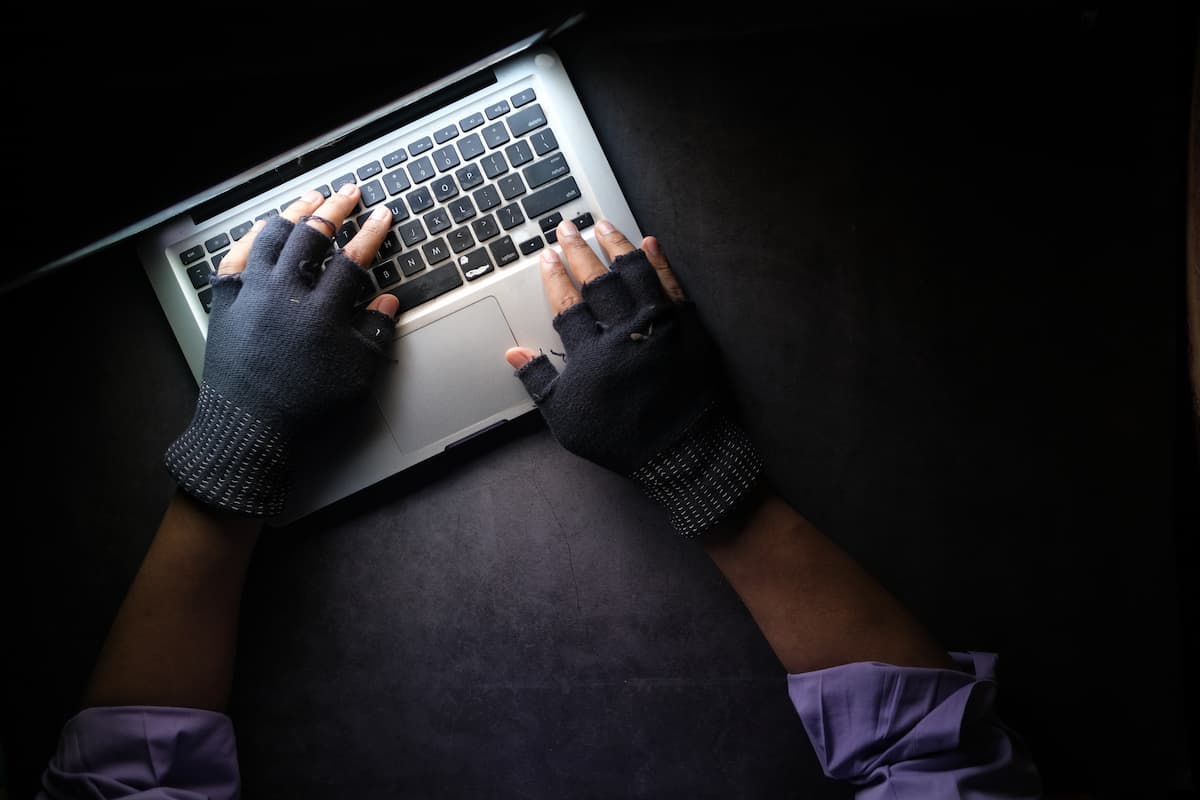
Identity Theft occurs every two seconds in the United States. While Security Bank can help with banking account needs and transaction disputes, there is often a larger need of recovering when identity theft occurs. The Federal Trade Commission has resources available to assist with making a recovery plan and utilizing resources available to you. You can also report your identity theft occurrence on the FTC’s identitytheft.gov site.

person wearing fingerless gloves accessing a laptop

Impersonation Scams

A scammer might call, claiming to be from the security or fraud department of a credit card company like VISA. To sound more convincing, they’ll give you a fake badge number and say they’re calling about an “unusual purchase pattern” on your card. They’ll even have some of your personal information on hand, such as your address and the name of your financial institution, to build trust.

Red flags to watch out for:

  • Unusual Urgency: Scammers try to rush you into a decision. A legitimate institution won’t pressure you to act immediately.
  • Requests for Information: We will never call you and ask for your full credit card number or security code. We already have that information on file.
  • Suspicious-Sounding Story: The story about a fake purchase and “control number” is a tactic designed to confuse you and make you more compliant.
  • Scammers will generally request you “keep it a secret” .
anonymous person in a white mask making a phone call

ATM Skimming

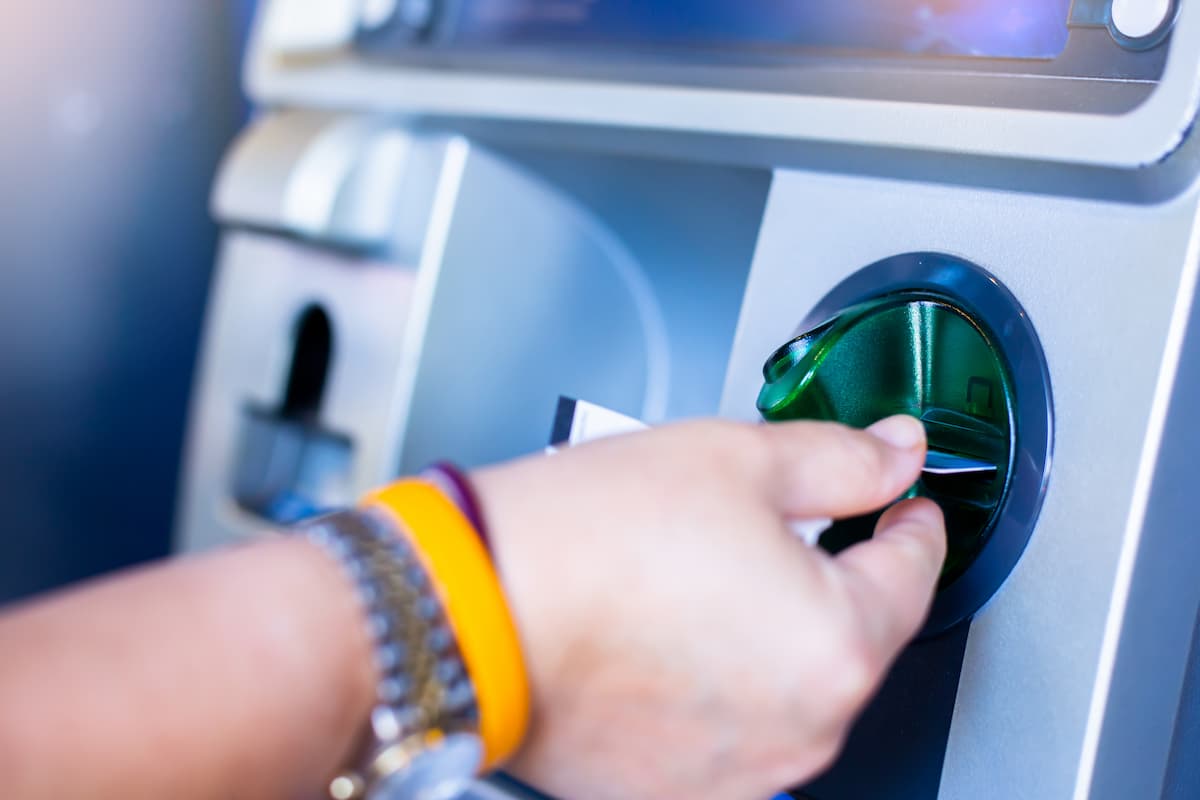
ATM skimming involves criminals illegally installing devices on card readers at ATMs, gas pumps, or point-of-sale terminals to capture credit or debit card data and record PIN entries.

  • The skimming devices can be difficult to detect, as they may be inserted into the card reader slot, or be designed as an overlay that fits over the existing card reader and keypad.
  • The stolen data is then used to create fake cards, which can be used to make unauthorized purchases or withdrawals.
  • Our MyCard tools help protect debit cards by allowing cardholders to set transaction alerts, monitor activity in real time, and quickly turn cards on or off to help prevent unauthorized use if card information is compromised.
person inserting their bank card into an ATM

Online Banking Hijacking

Online banking hijacking, or account hijacking, occurs when a criminal obtains your personal banking information and uses it to take over your accounts.

  • Attackers often use phishing scams to trick people into giving up their usernames, passwords, and account numbers through deceptive emails or fake websites.
  • Hijacking can also happen through malware, such as keyloggers, which can be installed on an infected device to capture login credentials.
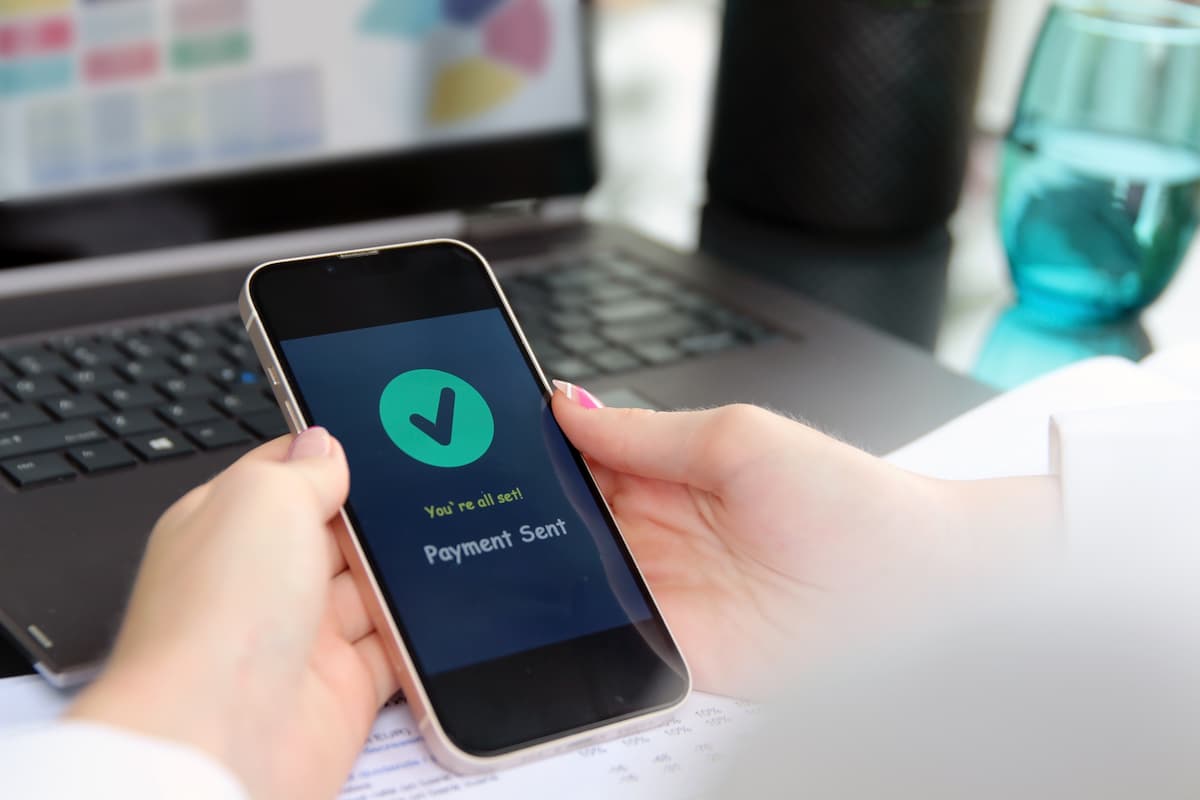
  • Once an account is hijacked, the criminal can make unauthorized purchases, steal money, or transfer funds to their own accounts.
person sending a payment from their mobile phone

Check Fraud

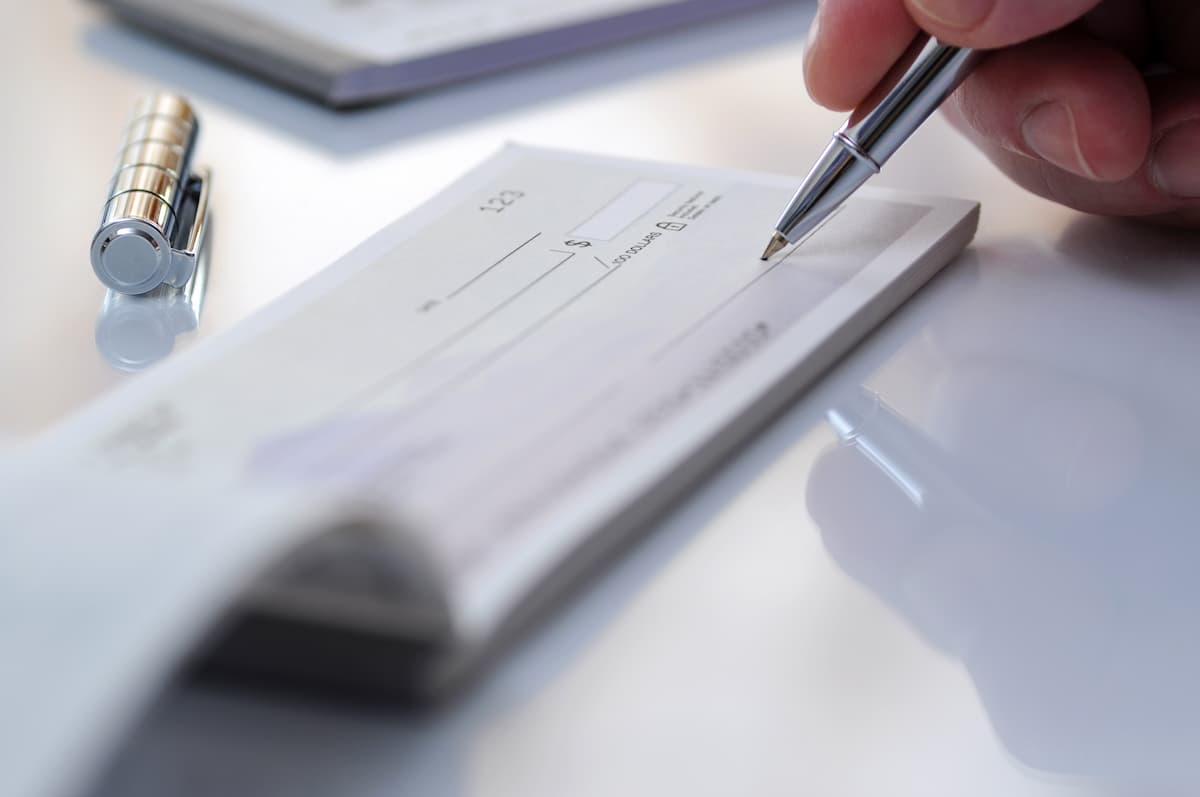
Check fraud involves the unauthorized use of a person’s checks, or images of a check, to illegally acquire funds.

  • Common methods include stealing checks from mailboxes, forging signatures, or altering legitimate checks using chemicals to erase ink and rewrite the amounts. This is known as “check washing” .
  • Scammers often use fraudulent checks in overpayment scams, where they send a check for more than the agreed- upon amount and ask you to send the difference back to them. The check will eventually bounce, and you’ll be out the money you sent.
person signing a check

Common Types of Business Scams

Business Email Compromise

Business Email Compromise (BEC) is a type of fraud where scammers use email to impersonate a trusted person or organization to trick someone into sending money or sensitive information.

  • Common methods include spoofing or hacking email accounts, creating lookalike addresses, or posing as executives or vendors to request urgent payments or changes to payment details.
  • These scams often involve fake invoices or payment redirection requests. Without verification, funds can be sent directly to the scammer and are often difficult to recover.
stressed laptop user holding his forehead

Vendor Payment Fraud

Vendor Payment Fraud occurs when scammers impersonate a legitimate vendor to trick a business into sending payments to a fraudulent account.

  • Common methods include hacking or spoofing vendor email accounts, or sending fake requests to update payment or banking information. These messages often appear routine and reference real invoices or ongoing business relationships.
  • Without proper verification, payments can be redirected to the scammer’s account and are often difficult to recover.
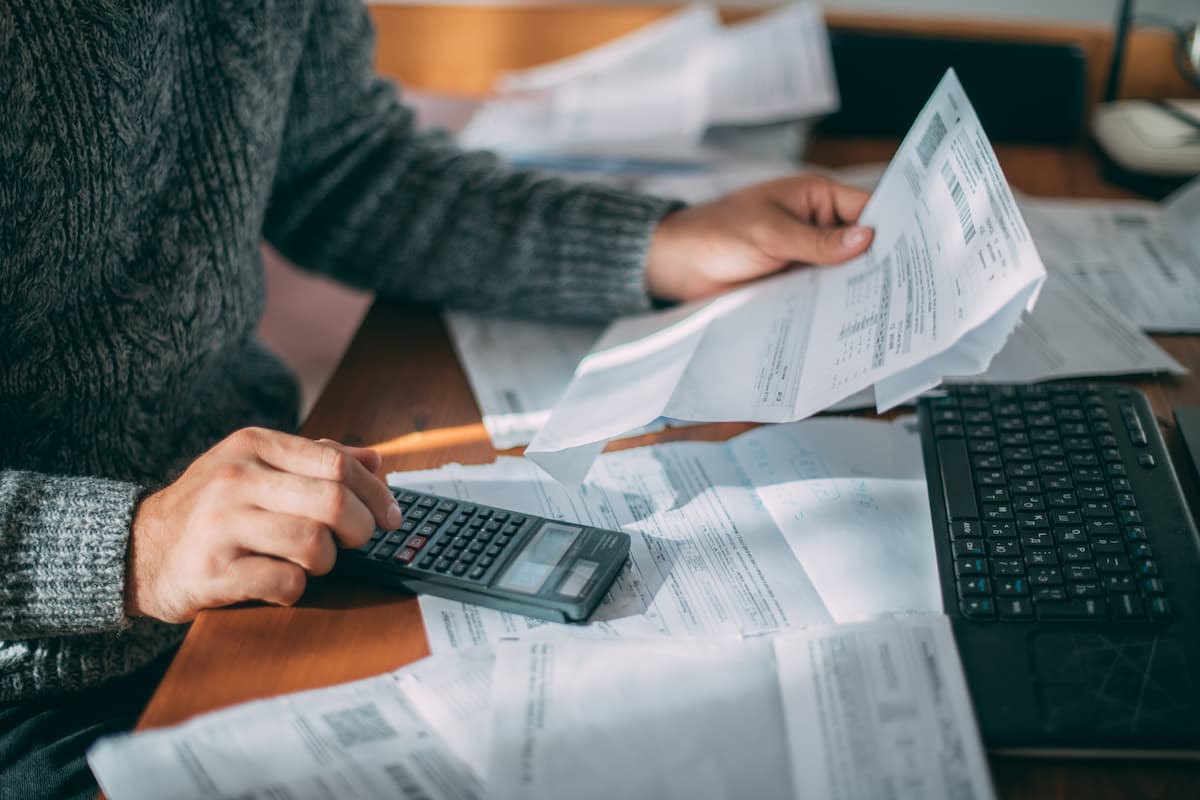
person reviewing financial documents

Payroll Diversion Scams

Payroll Diversion Scams occur when scammers impersonate an employee to trick a company into changing direct deposit information and redirecting paychecks to a fraudulent account.

  • Common methods include sending phishing emails to HR or payroll staff requesting updates to banking details, often using urgent or convincing language.
  • Without proper verification, wages can be deposited into the scammer’s account and may be difficult to recover.
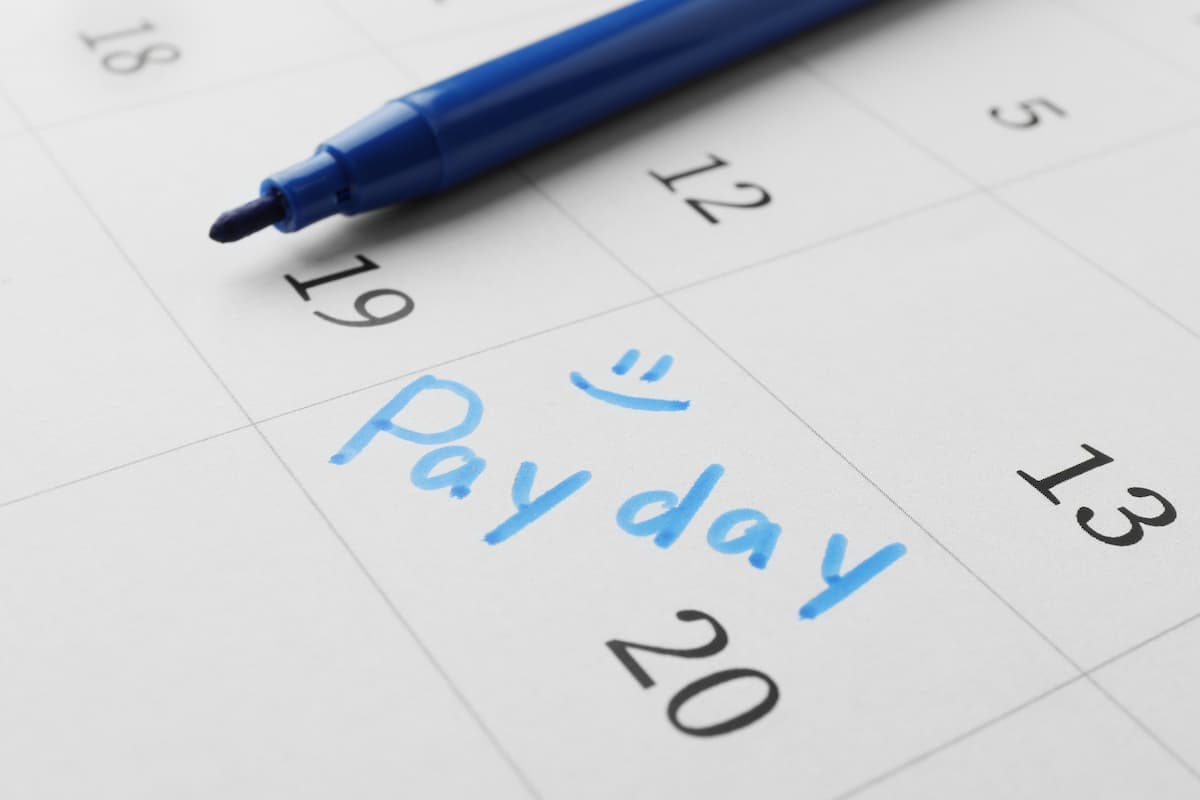
calendar with the 20th of the month marked as pay day

ACH & Wire Fraud

ACH and Wire Fraud occurs when scammers target business accounts to initiate unauthorized electronic transfers.

  • Common methods include phishing emails, compromised employee credentials, or malware used to access business banking platforms and submit fraudulent ACH or wire requests.
  • Without proper controls and verification procedures, business funds can be quickly transferred to a scammer’s account and are often difficult to recover.
  • Our ACH Positive Pay solutions help businesses monitor and control electronic transactions by reviewing and approving ACH debits and credits before they post, helping prevent unauthorized activity. Learn more on our Treasury Management page.
stressed female laptop user

Check Fraud

Check Fraud occurs when scammers target business accounts by using stolen or altered checks to withdraw funds.

  • Common methods include stealing checks from mail, forging signatures, or altering legitimate checks to change the payee or amount. This is often referred to as “check washing. ”
  • Without proper monitoring and controls, fraudulent checks can clear a business account, leading to financial loss that can be difficult to recover.
  • Positive Pay helps protect business accounts by matching issued checks against those presented for payment, helping detect altered, forged, or fraudulent checks before they clear. Learn more on our Treasury Management page.
person signing a business check

Ready to bank with people who actually answer the phone?